Planning a trip around France can feel surprisingly stressful, even for experienced travellers. France is well known for its excellent transport infrastructure, yet choosing between bus, train, or car hire is not always straightforward—especially if your journey involves multiple cities, neighbouring countries, and a tight schedule.
This guide breaks down the pros and cons of each option in simple terms, helping you decide what works best for your itinerary, budget, and travel style.
Travelling by Train in France: Fast and Convenient
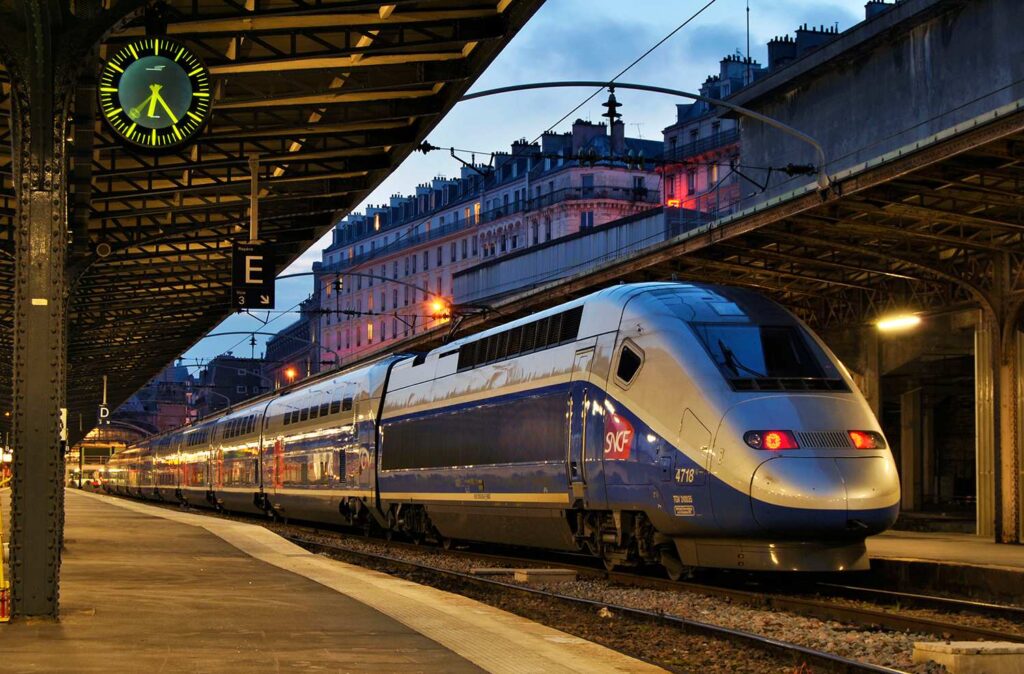
For most inter-city journeys in France, trains are the easiest and most efficient option.
France’s high-speed rail network, including TGV services, connects major cities such as Paris, Verdun, Aix-en-Provence, Marseille, and Nice quickly and comfortably. Trains are generally punctual, safe, and well suited for travellers carrying only hand luggage.
Advantages of train travel:
- Direct connections between major cities
- No need to worry about parking or city traffic
- Comfortable seating and space to relax
- Easy cross-border travel to Luxembourg, Switzerland, and Italy
However, train prices can vary significantly. High-speed and long-distance tickets become more expensive closer to the travel date, even in the off-season. Booking in advance can lead to substantial savings. Regional and local trains, on the other hand, usually have fixed prices and can be bought on the day.
For city-based trips where sightseeing is not the priority, trains are often the best choice.
Bus Travel: Budget-Friendly but Slower
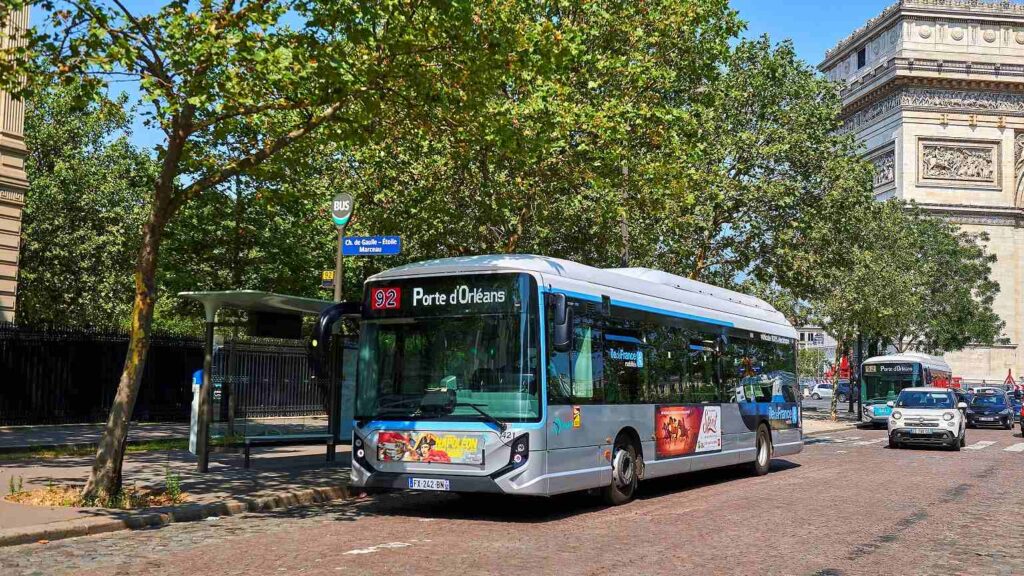
Long-distance buses are a cheaper alternative to trains, especially for travellers watching their budget.
Companies such as FlixBus and BlaBlaCar Bus operate routes between most large French cities and across borders. Buses are generally reliable and comfortable, though slower than trains.
Advantages of buses:
- Lower ticket prices
- Flexible last-minute booking
- Good coverage between major cities
Disadvantages:
- Longer travel times
- Less space and fewer amenities
- More susceptible to traffic delays
Buses are ideal if you want to save money and are not in a rush, but they may feel tiring on a packed, multi-country itinerary.
Hiring a Car: Best for Rural Areas, Tricky for Cities
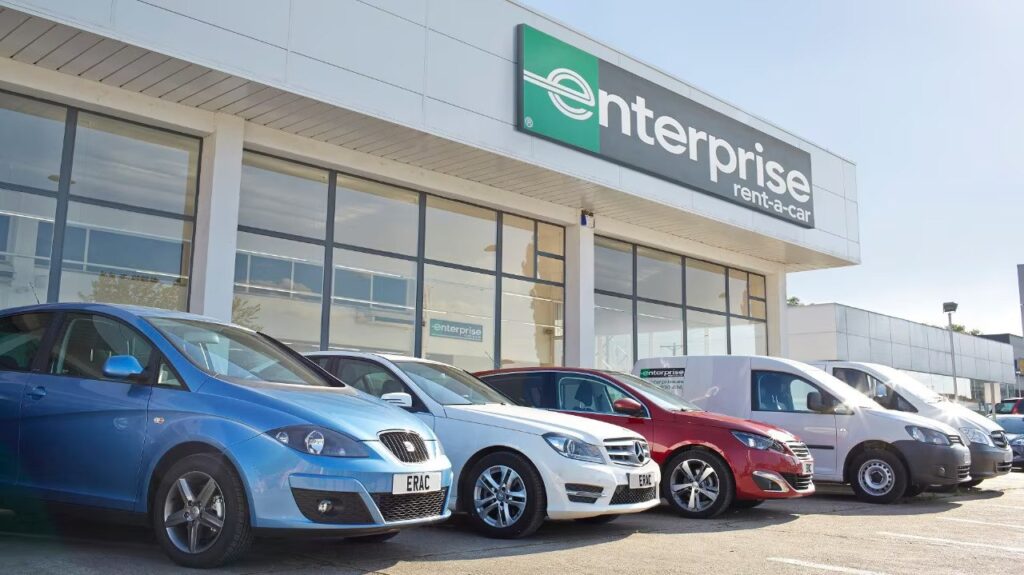
Hiring a car in France can be both rewarding and challenging, depending on where you plan to go.
A car is rarely necessary for large cities such as Paris, Marseille, or Nice. Parking is often expensive, limited, and stressful, and city driving can be frustrating—even for confident drivers. In dense urban areas, public transport is usually faster and far easier.
That said, car hire becomes extremely useful for rural regions and small villages. If your trip includes countryside locations, family homes outside city centres, or places poorly served by public transport—such as a small Italian village north of Ventimiglia—a car may be the only practical option.
Things to consider with car hire:
- Cross-border rentals can be expensive
- One-way drop-off fees may be high, especially in winter
- Fuel, tolls, and parking add to the total cost
A smart approach is to combine transport methods: use trains and buses for cities, then rent a car for a short period to explore rural or remote areas.
Parking and Accommodation Matter More Than You Think
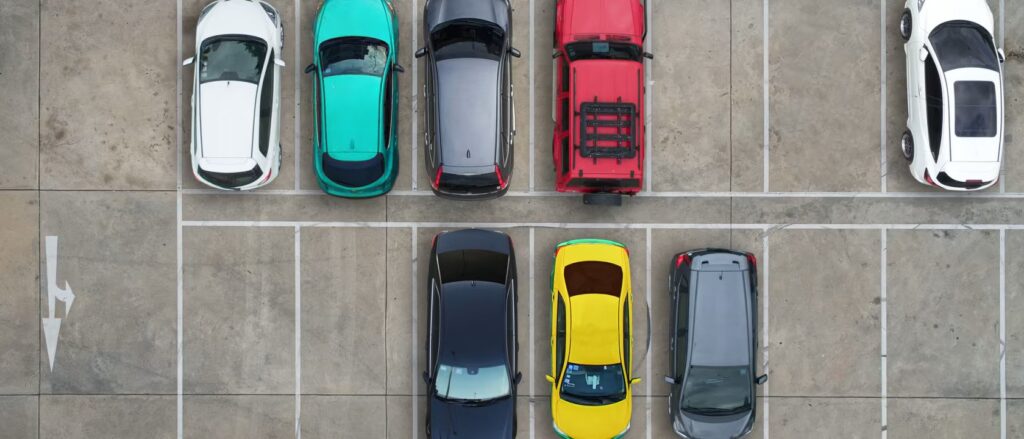
One often overlooked factor is parking availability. Whether staying with family or in your own accommodation, parking can determine whether a car is convenient or a burden.
- City centre locations often have limited or paid parking
- Outskirts and smaller towns are far more car-friendly
- Some family homes may offer private parking, making car travel easier
If you are unsure, asking local family members for advice can be invaluable—they know their area better than any guidebook.
Suggested Strategy for a Multi-Country Trip
For a whirlwind journey through France and neighbouring countries:
- Group major cities together and use trains or buses
- Book long-distance train tickets early for better prices
- Avoid driving in major cities unless necessary
- Rent a car only when needed, especially for rural or cross-border sections
- Travel light, as public transport is easier with minimal luggage
This balanced approach offers flexibility without unnecessary stress or expense.
France offers some of the best transport options in Europe, and there is no single “right” way to travel. For most visitors, trains are the backbone of efficient travel, buses help keep costs down, and car hire fills the gaps where public transport does not reach.
By choosing the right option for each part of your journey, you can focus less on logistics and more on reconnecting with places, people, and memories—making your trip smooth, practical, and enjoyable.